
 By
By Texas Southern University Celebrates Launch of Association of HBCU Research Institutions, Strengthening Pathway to National Research Leadership
Texas Southern University today joined fellow leading Historically Black Colleges and Universities in Washington, D.C., for the official launch of the Association of HBCU Research Institutions (AHRI), a transformative national collaboration designed to expand research capacity, strengthen institutional competitiveness, and elevate the national impact of HBCU research.
AHRI brings together very high-research and high-research HBCUs committed to accelerating research growth, increasing federal funding competitiveness, strengthening research infrastructure, and advancing a shared vision for institutional excellence. As a Carnegie R2 doctoral institution with growing national research momentum, Texas Southern sees AHRI as a strategic catalyst in its path toward R1 status.
The launch comes at a pivotal moment for the University. Under the leadership of President J.W. Crawford III, Texas Southern is advancing a focused strategy to strengthen its research enterprise as part of its broader institutional transformation and long-term strategic growth.
“This is exactly the right moment for HBCUs to lead more boldly in the national research landscape,” said J.W. Crawford III, president of Texas Southern University. “AHRI creates a powerful collective voice for institutions like Texas Southern that are driving innovation, solving urgent societal challenges, and preparing the next generation of scholars and leaders. Our participation certainly reflects our ambition, but more importantly the University’s commitment to service.”
Texas Southern University is a proud member of the Texas Medical Center, the world’s largest medical complex, made up of 54 leading institutions. The University’s expansive and diverse research enterprise advances discovery across a multitude of disciplines, including biomedical and public health sciences, STEM innovation and technology transfer, quantum computing, social behavioral research and randomized clinical trials, environmental justice, workforce development and urban solutions, to name a few. Through a commitment to community-engaged scholarship and high-impact, cutting-edge research, Texas Southern University delivers measurable impact throughout Houston and beyond, advancing innovation across biomedical, technological, and scientific frontiers while addressing critical challenges at the local, national, and global levels.
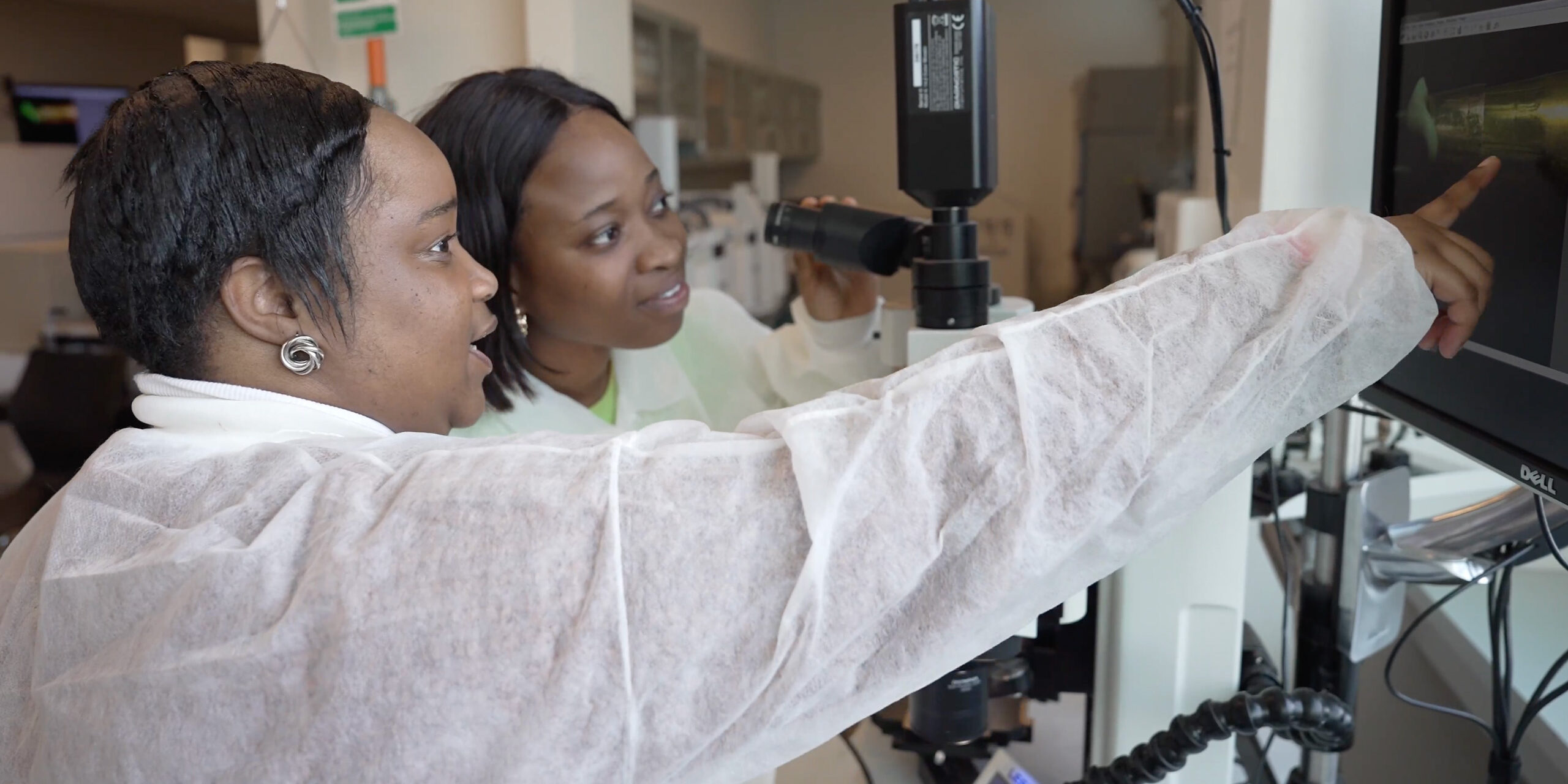
One exciting area of ongoing discovery is the $21.5 million grant from the National Institutes of Health, reinforcing Texas Southern University’s growing national leadership in biomedical and health research. This continued investment accelerates scientific discovery, advances solutions to critical public health challenges, and reinforces the University’s commitment to teaching and learning by preparing the next generation of scientists, researchers, and health professionals through integrated education, hands-on research training, and sustained mentorship.
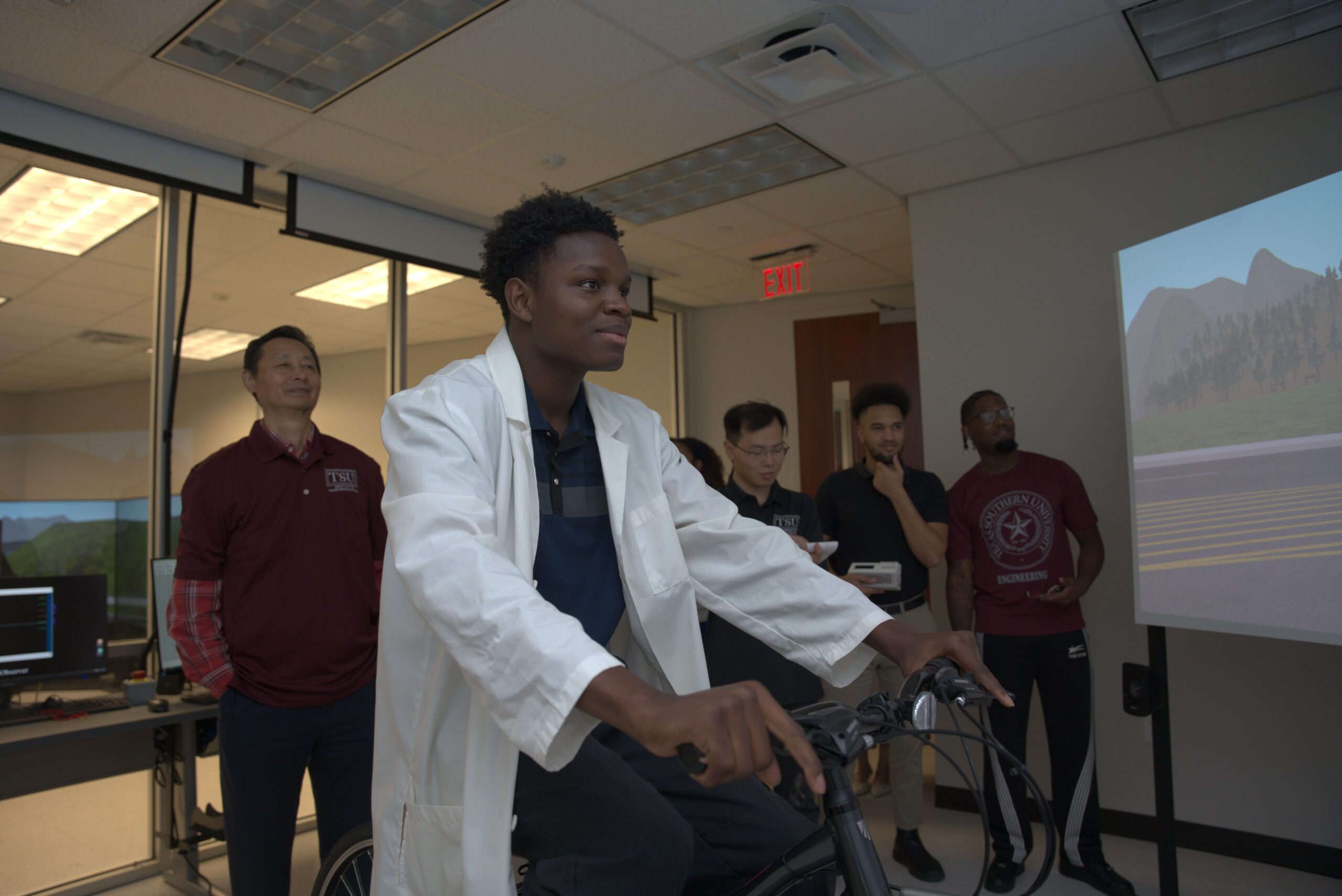
The University’s nationally recognized research centers include the Bullard Center for Environmental and Climate Justice, the Center for Biomedical Minority Health Research, the Center of Transportation and Research, the NASA University Research Center Core Laboratories, and the High Performance Computing Center, all serve as a powerful nexus of high-impact urban research and advanced, high-end scientific discovery. Through cutting-edge technologies, data-driven innovation, and interdisciplinary collaboration, these centers not only address the nation’s most pressing urban and societal challenges but also integrate research excellence directly into the teaching and learning enterprise. By embedding students in experiential, research-driven environments, Texas Southern University cultivates the next generation of scholars, scientists, and leaders while advancing transformative solutions that extend from the laboratory to the community.
Texas Southern’s research mission is further strengthened by its Carnegie Community Engagement Classification, a national designation that recognizes the University’s deep commitment to partnership, public service, and research that directly improves communities. This distinction reflects the University’s longstanding model of scholarship that is not only academically rigorous, but also deeply connected to the needs of Houston and the broader region, particularly in areas such as public health, environmental justice, education, and economic mobility.
“Research is one of the most powerful ways universities create opportunities, solve problems, and improve lives,” said Michelle John, vice president for research and innovation. “AHRI creates an important framework for collaboration among HBCUs that are expanding their research missions. For Texas Southern, this initiative aligns directly with our commitment to research excellence, innovation, and our strategic goal to reach R1 status.”
“As we continue strengthening our academic and research enterprise, our Carnegie Community Engagement designation reminds us that research excellence and community impact must go hand in hand,” said Carl Goodman, provost and senior vice president for academic affairs. “Partnerships like AHRI create new pathways for collaboration, faculty success, student opportunity, and national visibility. This is not simply about institutional designation—it is about expanding impact and ensuring our students and scholars are positioned to lead at the highest levels.”
Texas Southern also recognizes the leadership of Howard University President Wayne Frederick, Morgan State University President David Wilson, and Prairie View A&M University President Tomikia P. LeGrande in helping shape AHRI, as well as Ruth Simmons who set the direction and galvanized the effort during her presidency at Prairie View. These leaders brought member institutions together around a shared vision for expanding research capacity, national competitiveness and institutional transformation across HBCUs.
Texas Southern also acknowledged the critical role of the Association of American Universities (AAU), whose extraordinary support and partnership have been indispensable in this collaborative effort. AAU’s engagement reflects growing national recognition of the critical role HBCUs play in advancing American research competitiveness and innovation.
Following the AHRI launch and inaugural symposium, Texas Southern will continue advancing its long-term research strategy, including the development of a focused three-year plan to accelerate research growth and strengthen the University’s pathway toward Carnegie R1 designation.
As the University approaches its centennial in 2027, Texas Southern remains committed to building a stronger research future—one that reflects its historic mission, national relevance, and expanding role as one of the nation’s leading urban research institutions.
What's your reaction?
Excited
0
Happy
0
In Love
0
Not Sure
0
Silly
0
You may also like


More in:Alumni

Texas Southern Football Set to Kick Off 2026 Season
The Texas Southern football team kicks off the 2026 season against the North Carolina Central ...
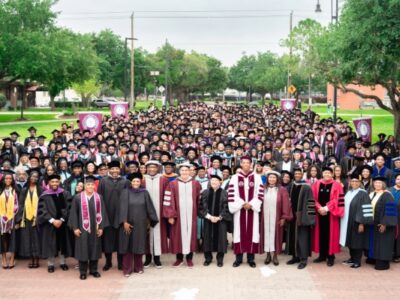
Texas Southern University Economic Impact Report Shows $1.6 Billion Annual Contribution to Regional Economy
Texas Southern University announced it generates $1.6 billion in annual economic impact and supports 15,676 ...
Texas Southern University Launches Comprehensive Campus Master Plan
Texas Southern University has launched a Campus Master Plan that establishes a framework for campus ...

Texas Southern University’s Ocean of Soul Marching Band Featured in Vogue Magazine on Juneteenth
Texas Southern University’s celebrated marching band, the Ocean of Soul, is featured in the Summer ...